How Physiotherapy Can Speed Up Your Recovery from Injuries
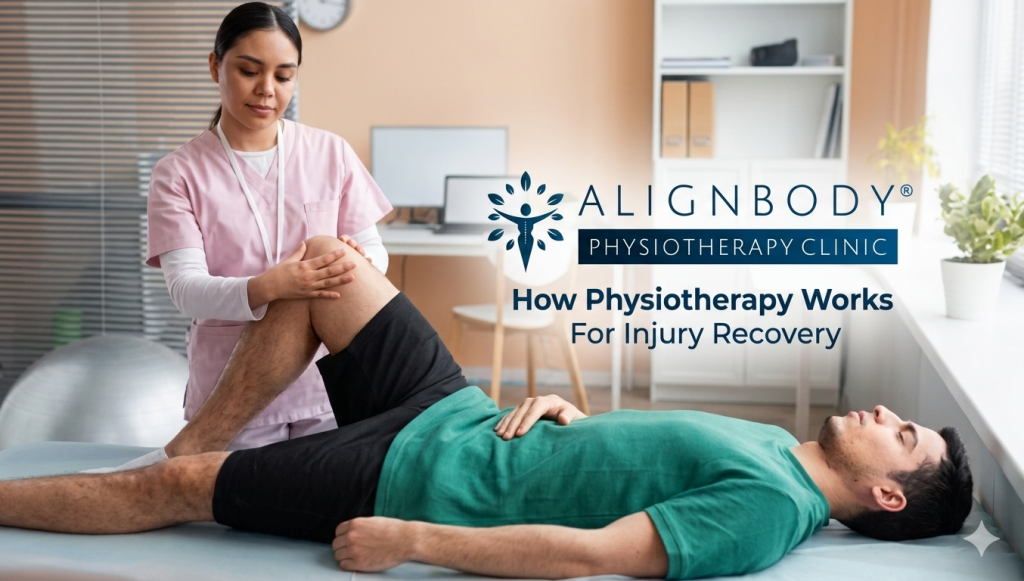
What Is Physiotherapy and How Does Healing Work?
Physiotherapy (also called physical therapy) is a healthcare profession that uses exercise and manual therapy together with heat, cold and electrotherapy to help patients recover their movement abilities and decrease their pain and enhance their functional abilities after they experience an injury or undergo surgery. At AlignBody, a physiotherapist evaluates your muscular, joint and nerve, and postural functions to create a customized recovery plan that addresses your current limitations.
Physiotherapy works with the body’s natural healing process by enhancing blood flow and decreasing swelling while stopping muscle atrophy and joint tightness. The program helps you develop better control of your body by teaching you new movement techniques and retraining your nervous system.
Benefits of Physiotherapy Treatment
- Reduced Pain and Swelling: Early intervention prevents the formation of edema, which could lead to more damage to the tissues.
- Prevents Muscle Atrophy: Muscle wasting begins within days after a person stops their physical activities. Physiotherapists demonstrate “safe” movements that help their patients maintain active muscle function.
- Faster Return to Function: Statistics show that patients who start rehabilitation programs before their scheduled time return to work and sports activities much faster than patients who choose to postpone their treatment.
Common Injuries Treated with Physiotherapy
1. Physiotherapy for Sports Injuries
Sports injuries involve damage to muscles and ligaments and tendons and joints, which result in conditions such as sprains and strains and tendonitis and overuse injuries. Physiotherapists create rehabilitation programs for specific sports which include flexibility training and strength development and balance exercises and functional drills that resemble actual sports activities.
Physiotherapy helps athletes recover faster while decreasing their chances of re-injury through its focus on strengthening weak points and enhancing joint stability and improving their athletic performance abilities. The combination of manual therapy and taping and neuromuscular training and plyometric exercises helps athletes achieve their performance goals without risk.
2. Treatment for Back, Neck, and Joint Pain
Back and neck pain rank as the most common reason for people to visit physiotherapy clinics because of their relationship with poor posture, disc problems, muscle strain and spinal joint dysfunction. Physiotherapists use their manual therapy methods together with their targeted exercise programs, posture correction techniques and their educational activities to help patients experience pain relief while strengthening their spinal stability. Step Into Smarter Healing- Experience Next-Level Physiotherapy Clinic in South Delhi.
Physiotherapy treatment for knee and shoulder osteoarthritis joint pain delivers three benefits, which include strength development and improved movement range and enhanced physical ability, and it helps to postpone or lessen surgical requirements. The research demonstrates that combining exercise with manual therapy delivers better long-lasting pain relief and functional improvements than using electrotherapy for treating knee osteoarthritis.
3. Post-Surgery Rehabilitation Through Physiotherapy
Physiotherapy plays an essential role in restoring mobility and strength and functional abilities after patients undergo surgical procedures, which include joint replacements, ligament reconstructions and spinal surgeries. The practice of early controlled movement requires professional supervision to prevent complications, which include stiffness and blood clots and muscle wasting.
Research in procedures like total knee replacement and ACL reconstruction shows that controlled post-operative physiotherapy programs lead to better results in range of motion and proprioception and sport readiness than unstructured methods which present no extra danger to surgical outcomes.
4. Physiotherapy for Ligament Tears, Sprains, and Fractures
After the initial healing period, ligament injuries and fractures require special rehabilitation treatment. The physiotherapy process begins with protection and pain management, followed by a progression to weight-bearing activities, joint mobility exercises and strength training and balance training, which the therapist will introduce based on the patient’s healing process.
How Physiotherapy Speeds Up the Healing Process
Physiotherapy speeds recovery through several mechanisms that support tissue repair and neuromuscular function.
- The process of movement and manual techniques helps create better blood circulation and lymphatic drainage, which delivers oxygen and nutrients to tissues undergoing healing.
- Reducing inflammation and pain, allowing earlier, more effective movement and loading.
- Regular movement may be the key to preventing muscle atrophy and stiffness during your recovery while activating muscles and maintaining joint motion.
- Retraining coordination and proprioception so that you move more efficiently and avoid re‑injury. Rebuild your body strength with Pilates therapy classes in Delhi.
Physiotherapy Techniques That Enhance Recovery
Common techniques include:
- Therapeutic exercise: Strengthening, stretching, balance, and functional exercises are core to almost all programs and have strong evidence for improving pain and function.
- Manual therapy: The combination of joint mobilization, soft tissue techniques, and mobilization with movement exercises produces better results than electrotherapy when used with exercises for pain relief and mobility improvement.
- Electrotherapy and modalities: Ultrasound, TENS, laser, heat, and cold may help with pain and swelling, usually as adjuncts to active rehabilitation.
- Neuromuscular and proprioceptive training: Balance boards and single-leg tasks, together with sport-specific drills, serve as rehabilitation methods to restore joint control for patients who have suffered ligament or ankle injuries.
Tips to Maximize Recovery During Physiotherapy
- Follow your home exercise plan exactly as prescribed, as most gains come from regular practice between sessions.
- Communicate openly about pain levels and difficulties so your therapist can adjust intensity and techniques safely.
- Respect healing timelines-avoid “over‑doing it” too soon, which can aggravate tissues or damage surgical repairs.
- Use ease/pain-modulating modalities (like icing and heating, and the use of prescribed supports) to feel more comfortable while moving well.
- Athletes should keep a good night’s sleep, adequate protein, and plenty of hydration, for these affect body tissues and training adaptations.
FAQs About Physiotherapy and Injury Recovery
Q1. Does physiotherapy hurt?
Although your joints are stiff, they should never get to unbearable levels. Your physiotherapist will work within your pain threshold.
Q2. How many sessions will I need?
Minor injuries may take 3-6 sessions; major surgeries or chronic issues can take 12 or more.
Q3. What is the difference between physiotherapy and general exercise?
Physiotherapists need to examine a patient for needful exercises on account of the client’s specific medical condition and not for general purposes.
Q4. Can physiotherapy help prevent future injuries once I recover?
The physiotherapy process establishes long-term injury protection through its ability to enhance athletes’ strength and flexibility and balance abilities and their technical skills.
Q5. What happens in a typical physiotherapy session?
Your sessions will start with reassessment and proceed to any required manual therapy and then to supervised exercises and usage of modalities and finalization of your home program updates.