Yoga vs Pilates: Know The Difference
What Is Yoga?
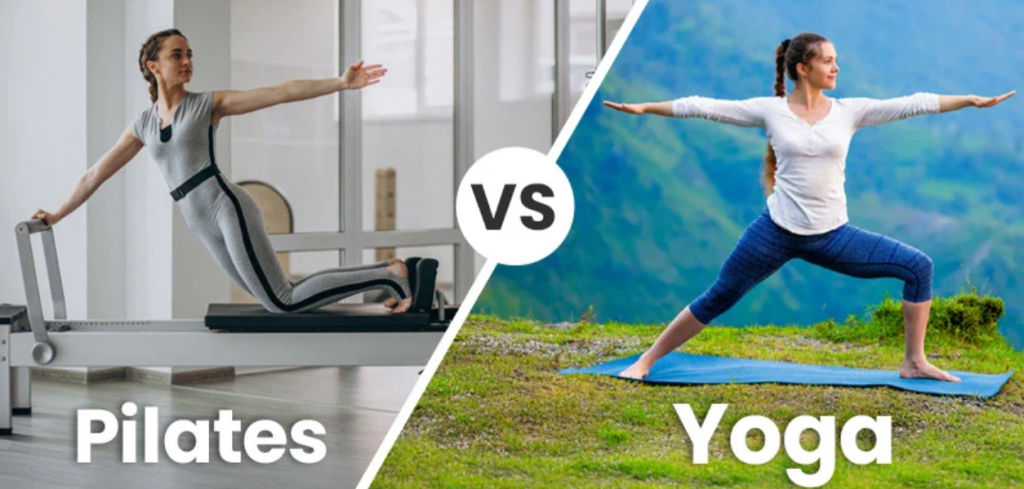
Yoga is an ancient mind–body practice from India that combines physical postures (asanas), breathing techniques (pranayama), and meditation to improve flexibility, strength, balance, and mental calm. Modern yoga classes typically mix stretching, static and dynamic poses, breathing, and relaxation or short meditation at the end.
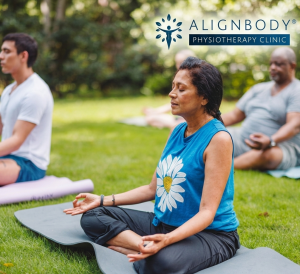
Regular yoga practice can improve joint mobility, reduce stress, support better sleep, and contribute to overall functional fitness. Many people also use yoga as a complementary therapy for chronic pain, anxiety, and lifestyle-related issues because it addresses both body and mind.
What Is Pilates?
Pilates is a 20th‑century exercise method created by Joseph Pilates that emphasizes core strength, postural alignment, controlled movements, and breath. It can be done as mat Pilates using body weight or on specialized equipment such as the Reformer, Cadillac, and Chair.
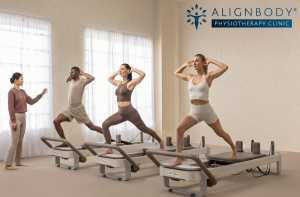
Pilates focuses on stabilizing the spine and pelvis, strengthening deep abdominal and back muscles, and improving body awareness and alignment. Because of its precision and low-impact, many physical therapists and rehab specialists integrate Pilates principles into injury recovery programs. Step Into Smarter Healing- Experience Next-Level Physiotherapy Clinic in South Delhi.
Pilates vs Yoga: What’s the Key Difference?
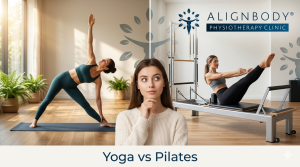
Both disciplines serve to increase strength, flexibility, balance, and body awareness, despite conflicting in primary goals and methodologies. In yoga, flexible movement or poses, breath, and possibly meditation are the principal focus, while Pilates is concerned with inventing and generating tiny, perfect movements and harnessing specific breathing for the eventual aims of forming muscle length and core stability, and for maintaining correct posture.
| Aspect | Yoga | Pilates |
| Primary Focus | Flexibility, balance, and mind–body connection | Core strength, posture, and stability |
| Origin | Ancient Indian spiritual practice | The 20th-century exercise method developed by Joseph Pilates |
| Typical Class Feel | Flowing movements or held poses with stretching and relaxation | Precise and controlled repetitions focused on muscle engagement |
| Breathing Style | Varies by yoga style, often includes nasal breathing and pranayama | Breathing coordinated with core engagement |
| Equipment | Mostly a mat and simple props | Mat plus reformers and other specialized equipment |
| Common Use Cases | Stress relief, flexibility, and balance improvement | Rehabilitation, core strengthening, and posture correction |
Which Is Better for Beginners: Pilates or Yoga?
Yoga and Pilates are good for absolute beginners, and when taught under the guidance of a qualified instructor, but what matters in your case is the goals. Are you looking to ease into movement, improve flexibility, and reduce stress? A beginner gentle yoga or Hatha yoga class may be your easiest starting point. Rebuild your body strength with Pilates therapy classes in Delhi.
If your main goal is core strength, posture, or rehab‑friendly conditioning, beginner mat Pilates is an excellent starting choice. In many cases, people benefit from starting with one and later adding the other, creating a complementary routine that balances mobility and strength.
Pilates vs Yoga for Core Strength and Muscle
Though core stabilization is the ultimate goal of both Pilates and yoga, Pilates exercises are more specific for strengthening the core and toning muscles and controlling the pelvis-to-rib cage-to-shoulder complex. There are relatively few big-muscle, strength-training exercises in Pilates. Pilates exercises also emphasize deep abdominal and spinal stabilizers through very controlled, usually small‑range exercises that lead to high muscle activation with somewhat less impact.
Strength is built in the body generally by bearing the body’s weight in asanas such as Plank, Chaturanga, Warrior series, and balances, which activate multiple muscles involving the calves, shoulders, and back. Dynamic ways like Vinyasa and Power Yoga offer for the improvement of muscular stamina and consequent muscle tone in other muscle groups.
Pilates vs Yoga for Back Pain and Injury Recovery
Just as yoga dissolves pain by improving posture, coordination, and core strength, Pilates aims for the same end by giving slightly different exercises. Over time and with the expertise of analysis, Pilates is the exercise of choice recommended by most physiotherapists, and the person is able to work out and strengthen the core of the body, and make better use of the abdominal wall.
Practicing yoga loosens tight muscles to relieve back pain, improves spinal flexibility, and decreases stress with breathing techniques and relaxation techniques. In general, gentle yoga practices have a moderate effect on chronic low back pain if they are individualized, whereas one-to-one or therapeutic sessions have more individualized influences.
Equipment Used in Pilates vs Yoga
According to AlignBody, yoga generally requires minimal equipment: a non‑slip mat plus optional props like blocks, straps, bolsters, blankets, and sometimes a yoga wheel. These props help modify poses, improve alignment, and support relaxation in restorative sessions.
Pilates can be done with just a thicker, more cushioned mat, but studio‑based Pilates often uses Reformers, Cadillacs, Wunda Chairs, Pilates rings, resistance bands, balls, and foam rollers to add resistance and support. For home workouts, a supportive mat plus a ring, mini‑ball, and loop bands can create a very versatile setup.
| Practice | Essential at Home | Common Studio Equipment |
| Yoga | Mat, optional blocks & strap | Bolsters, blankets, wheels |
| Pilates | Thicker mat, small | Reformer, Cadillac, Chair, rings, bands, rollers |
Popular Types of Yoga and Pilates Workouts
Yoga offers many styles, from slow and gentle to strong and athletic. Common yoga types-
| Category | Style / Type | Best For |
| Yoga | Hatha | Beginners, basics, gentle strength |
| Yoga | Vinyasa / Flow | Cardio, strength, flexibility |
| Yoga | Yin / Restorative | Deep stretching, recovery, stress relief |
| Yoga | Power / Ashtanga | Strong conditioning, endurance |
| Pilates | Mat Pilates | Home practice, beginners, minimal equipment |
| Pilates | Reformer Pilates | Strength, alignment with resistance |
| Pilates | Clinical Pilates | Rehabilitation and medical conditions |
| Hybrid | Yogilates | A mix of yoga flexibility and Pilates core strength |
Pilates vs Yoga: Pros and Cons
Pros-
Yoga- Improves flexibility & balance, reduces stress & anxiety, minimal equipment.
Pilates- Strong core & posture benefits, rehab‑friendly, precise, and low‑impact
Cons-
Yoga- Some poses are stressful for joints if misaligned, style choice can be confusing.
Pilates- Studio equipment can be costly, and may feel technical for some beginners.
Expert Tips for Beginners Starting Pilates or Yoga
Experts recommend starting with beginner‑friendly, well‑instructed classes, focusing on form, breath, and consistency rather than intensity.
Listening to your body, avoiding pain, and telling the instructor about any injuries or conditions is crucial.
Common Mistakes Beginners Make in Pilates and Yoga
| Common Mistake | Better Approach |
| Forcing deep stretches | Use props and stay in a mild to moderate stretch |
| Holding breath | Inhale to prepare and exhale during effort |
| Skipping modifications | Choose beginner options to build a safe foundation |
| Infrequent practice | Aim for 2–3 sessions per week |
FAQs About Pilates vs Yoga
Q1. Which is better overall: Pilates or yoga?
Neither is universally better; Pilates excels at core strength and posture, while yoga offers broader benefits for flexibility, balance, and stress relief, so the “best” choice depends on your goals.
Q2. Can I combine Pilates and yoga in one routine?
Yes, many people do Pilates two days a week for core strength and yoga two days a week for flexibility and relaxation, creating a balanced mind–body program.
Q3. Which burns more calories: Pilates or yoga?
It depends on class intensity; vigorous flows (Power/Vinyasa yoga) and dynamic Pilates can be comparable, while gentle classes in either modality burn fewer calories.
Q4. Does Pilates build muscle or just tone?
Pilates builds functional muscle strength and endurance, particularly in the core and postural muscles.
Q5. Can pregnant women do Pilates or yoga?
With medical clearance and prenatal‑trained instructors, modified prenatal yoga and Pilates can be safe and beneficial, but some poses and exercises must be avoided or adapted.
Q6. Which improves flexibility faster, Pilates or Yoga?
Yoga generally provides more dedicated stretching and range‑of‑motion work, which can speed up flexibility gains when practiced consistently.