Hijama & Cupping Therapy Cost in Delhi (2026 Guide)
✓ Quick Answer
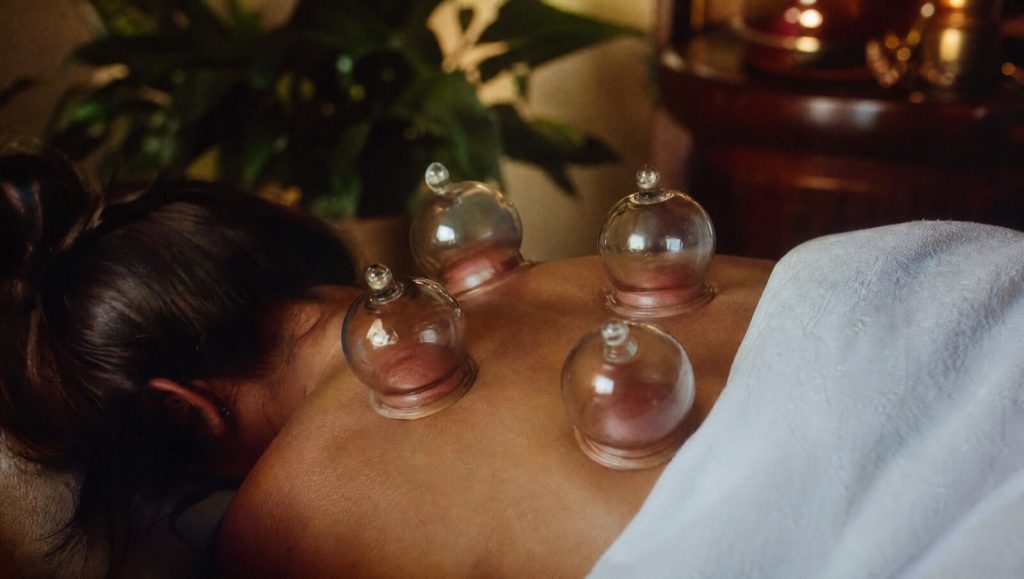
In Delhi, dry cupping usually costs between Rs 800 and Rs 2,000 per session, and hijama (wet cupping) between Rs 1,500 and Rs 4,000, depending on how many cups are used, who performs it and the clinic’s hygiene standards. The cheapest option is rarely the best value with wet cupping, because the skin is broken. Single-use blades, single-use cups and a trained practitioner matter more than a few hundred rupees. These are indicative market ranges as of November 2026, not quotations.
Cupping and hijama prices in Delhi at a glance
Dry cupping (static)
Typical Delhi price per session: Rs 800 to Rs 1,500
What it usually includes: Cups placed on one region, such as the back or neck, for 10 to 15 minutes
Dry or moving cupping with physiotherapy
Typical Delhi price per session: Rs 1,200 to Rs 2,000
What it usually includes: Assessment, cupping as part of treatment, exercises or manual therapy
Hijama (wet cupping), fewer cups
Typical Delhi price per session: Rs 1,500 to Rs 2,500
What it usually includes: About 5 to 7 cups on one area, single-use blades and cups
Hijama, full or Sunnah-point session
Typical Delhi price per session: Rs 2,500 to Rs 4,000
What it usually includes: More cups across several areas, longer session, aftercare
Packages (3 to 6 sessions)
Typical Delhi price per session: Often 10 to 20 percent less per session
What it usually includes: Same as above, booked as a course
AlignBody
Dry cupping
Jagriti: Rs 800
Vasant Vihar: Rs 1,200
Hijama full
Rs 2,500
Includes: Assessment, cupping therapy/hijama treatment, stretching
What changes the price
- Dry or wet. Hijama takes longer and needs sterile single-use consumables and safe disposal of blood-contaminated waste, so it costs more.
- Number of cups. Many clinics price hijama by the cup or by a set number of cups. A Sunnah-point session uses more cups than treatment of one painful area. Our hijama Sunnah points body map shows the common points.
- Who performs it. A session with a physiotherapist or a registered practitioner, which includes an assessment, costs more than a spa-style session, and is safer if you have a medical condition.
- Whether it is part of treatment. At a physiotherapy clinic, cupping for back or neck pain is often one part of a session alongside exercise and manual therapy.
- Location and setting. South Delhi clinics tend to charge more than East Delhi clinics for the same service. Home visits usually add a travel charge.
What a fair session should include
- A health check before the first session. Questions about blood thinners, bleeding disorders, diabetes, pregnancy, anaemia, skin conditions and recent illness.
- A clear explanation of what will be done, how many cups, and what marks to expect.
- Fresh gloves, single-use blades and single-use (or properly sterilised) cups for every client.
- Aftercare advice, covering rest, hydration, wound care for wet cupping and when to call the clinic.
- A sensible frequency. Nobody should push you to book weekly hijama. See how often to have cupping therapy.
Hygiene checklist before you book hijama
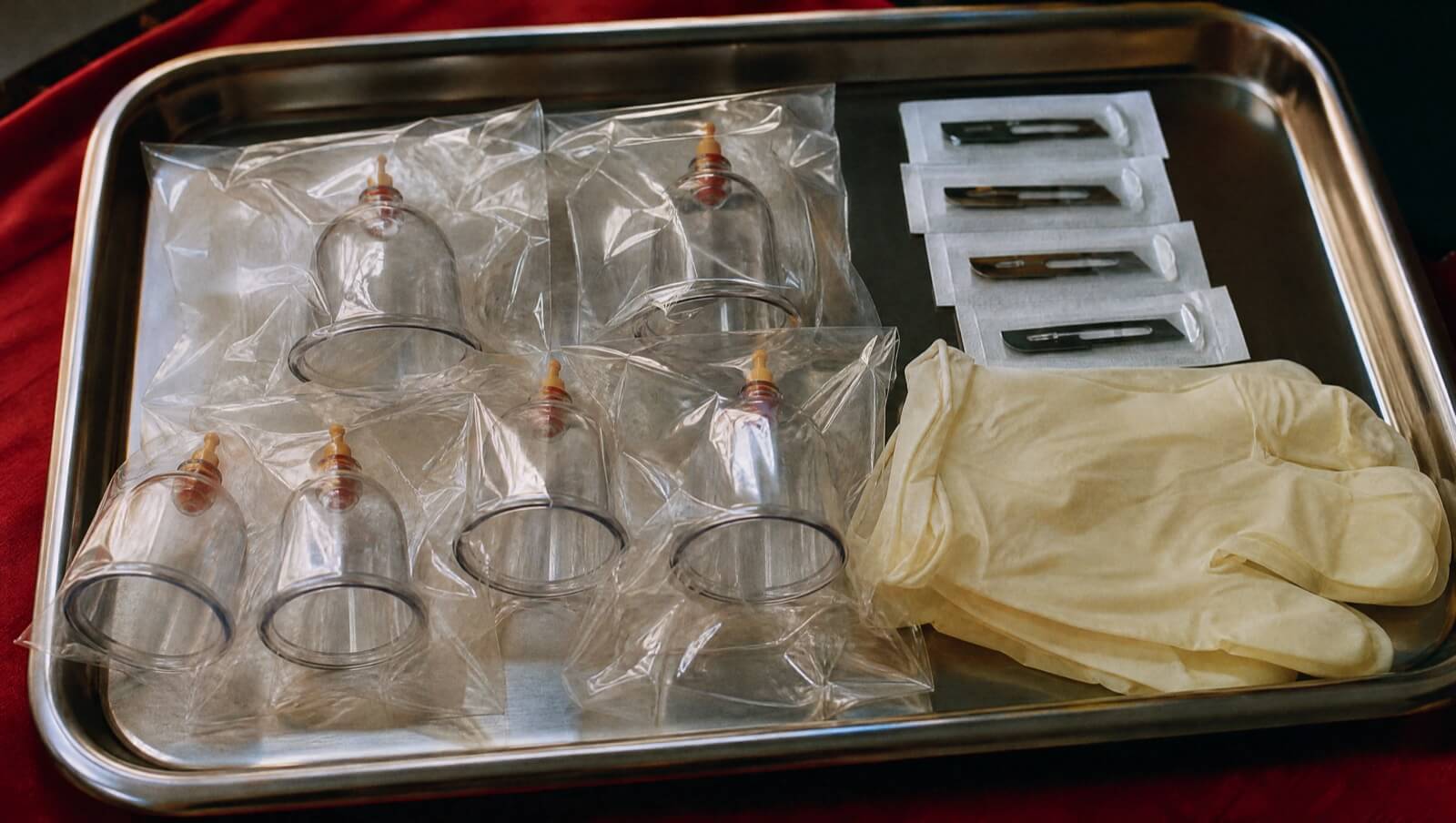
Because hijama breaks the skin, poor hygiene carries a real risk of infection, including blood-borne infections. Before you book, ask:
Are the blades or lancets single-use, and opened in front of me?
Are the cups single-use, or how are they sterilised?
Does the practitioner change gloves between clients?
How is blood-contaminated waste disposed of?
What training or registration does the practitioner have?
A good clinic will answer all of these without hesitation. If the answers are vague, the low price is not worth it.
Is cupping worth the money? What the evidence says
Many people report less muscle tension and pain after cupping, and it is widely used for back, neck and shoulder pain. The research is promising but limited. The US National Center for Complementary and Integrative Health notes that some studies suggest cupping may help pain, but most have been small and of low quality. A review in PLOS ONE (Cao et al., 2012) reached a similar conclusion: potential benefit for some pain conditions, but better-quality trials are needed.
In practice, cupping tends to give the best value when it is one part of a plan that also fixes the cause of the pain, such as posture, strength or movement habits. Our article on whether cupping therapy actually works goes into the research in more depth, and cupping vs dry needling vs myofascial release compares it with the alternatives.
Dry cupping or hijama: which should you pay for?
For muscle tightness and pain, dry cupping is usually enough, costs less and leaves no wounds. Hijama is often chosen for traditional or religious reasons, and for people who have had it before and found it helped. The wet vs dry cupping guide explains the difference in detail.
Who should not have cupping or hijama
Talk to your doctor first, or avoid it, if you:
- Take blood-thinning medicine or have a bleeding disorder
- Are pregnant
- Have anaemia, or feel unwell or feverish
- Have diabetes that is not well controlled, because wound healing may be slower
- Have broken, infected or sunburnt skin, or varicose veins in the area
Marks and mild soreness for a few days are normal. Read cupping side effects and aftercare so you know what to expect.
Frequently asked questions
How much does hijama cost in Delhi?
Typically Rs 1,500 to Rs 4,000 per session, depending on the number of cups, the practitioner and the clinic. Packages of 3 to 6 sessions often reduce the per-session price. These are indicative ranges as of November 2026.
How much does cupping therapy cost per session?
Dry cupping in Delhi usually costs Rs 800 to Rs 2,000 per session. It costs more when combined with a physiotherapy assessment and treatment in the same visit.
Why is hijama more expensive than dry cupping?
It takes longer, uses sterile single-use blades and cups, and needs safe disposal of blood-contaminated waste. Those are the parts you should not want a clinic to save money on.
How many hijama sessions do I need?
It depends on why you are having it. For muscle pain, people often have a short course of sessions spaced a few weeks apart, then review. For wet cupping, sessions are usually spaced at least 3 to 4 weeks apart.
Is cheap hijama safe?
Price alone does not decide safety, but very low prices can mean reused consumables or untrained staff. Always check for single-use blades and cups, fresh gloves and proper waste disposal before booking.
Is cupping covered by health insurance?
Usually not as a stand-alone treatment. Some policies cover physiotherapy sessions that include it. Check your policy wording or ask your insurer before booking.
Book cupping or hijama at AlignBody
At AlignBody, cupping is done after an assessment, with single-use consumables, and as part of a plan for the problem you came in with. Your first session is explained step by step, as described in what to expect at your first cupping session.
See cupping and hijama therapy in Delhi, or book at our South Delhi clinic in Vasant Vihar or our Jagriti Enclave clinic in East Delhi. You can also contact AlignBody for current prices.
Reviewed by Dr. Richa Gupta, Physiotherapist, AlignBody. Prices are indicative Delhi market ranges as of November 2026 and are not a quotation. This article is general information and does not replace individual clinical assessment.